Weight loss is often framed as a simple equation—eat less, move more. While that principle holds true at a basic level, it overlooks a crucial factor: what you eat matters just as much as how much you eat. This is where macronutrients come in. Understanding macronutrients for weight loss — commonly referred to as “macros”—can help South Africans make smarter, more sustainable dietary choices, especially when navigating modern nutrition trends and products like those offered by Herbalife.
What Are Macronutrients?
Macronutrients are nutrients your body needs in large amounts to function properly. They provide energy (calories) and support essential bodily processes. The three main macronutrients are:
- Carbohydrates
- Proteins
- Fats
Each plays a unique role in maintaining health and supporting weight loss. Carbohydrates and protein provide about 4 calories per gram, while fats provide 9 calories per gram .
Why Macronutrients Matter for Weight Loss
Weight loss ultimately depends on maintaining a calorie deficit—burning more calories than you consume. However, the balance of macronutrients influences:
- Hunger and satiety
- Energy levels
- Muscle retention
- Metabolism
For example, protein can increase feelings of fullness and help preserve lean muscle mass, both of which are critical for effective fat loss .
Rather than focusing only on calories, a balanced macronutrient approach ensures your body gets the fuel and nutrients it needs while losing weight.
The Role of Each Macronutrient
1. Carbohydrates: Your Body’s Primary Energy Source
Carbohydrates are often misunderstood, especially in low-carb diet trends. In reality, they are the body’s preferred energy source, particularly for the brain and muscles .
Healthy South African carb sources include:
- Brown rice
- Sweet potatoes
- Beans and lentils
- Fruits like bananas and apples
For weight loss, focus on complex carbohydrates (whole grains, vegetables) rather than refined sugars. These provide fiber, which helps you feel full longer.
2. Protein: Essential for Muscle and Fat Loss
Protein plays a key role in building and repairing tissues and maintaining muscle mass. During weight loss, preserving muscle is crucial because muscle helps keep your metabolism active.
Benefits of protein include:
- Increased satiety
- Higher calorie burn during digestion
- Support for lean muscle retention
Good protein sources in South Africa include:
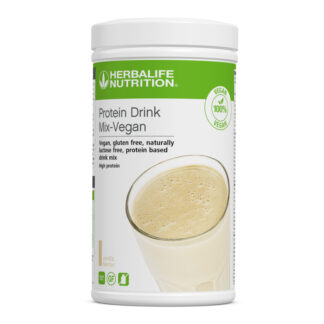
- Herbalife Protein Drink Mix
- Chicken and lean meats
- Eggs
- Fish
- Beans and legumes
- Dairy products
Research suggests higher protein intake can improve fat loss outcomes and help maintain muscle .
3. Fats: Not the Enemy
Fats are calorie-dense but essential for hormone production, nutrient absorption, and overall health .
Healthy fat sources include:
- Avocados
- Nuts and seeds
- Olive oil
- Fatty fish like sardines
The key is moderation. Avoid trans fats and limit saturated fats, but don’t eliminate fats entirely—they are vital for a balanced diet.
Ideal Macronutrient Ratios for Weight Loss
There is no one-size-fits-all ratio, but general guidelines suggest:
- 45–65% carbohydrates
- 10–35% protein
- 20–35% fat
For weight loss, many people benefit from slightly higher protein intake and moderate carbs and fats. However, your ideal ratio depends on factors like age, activity level, and personal preferences.
Macronutrients in the South African Context
South Africa’s diverse food culture offers both opportunities and challenges for healthy eating.
Challenges:
- High consumption of processed and fast foods
- Sugary beverages and refined carbs
- Economic constraints affecting food choices
Opportunities:
- Access to whole foods like legumes, maize, and fresh produce
- Traditional diets that can be balanced with proper portion control
Understanding macros helps individuals adapt traditional meals into healthier versions—for example, pairing pap with lean protein and vegetables instead of fatty meats.
Where Herbalife Fits In
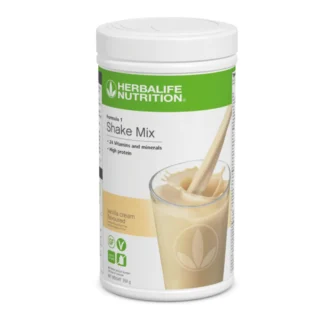
Herbalife is a well-known nutrition company that offers meal replacement shakes, protein supplements, and weight management products. These products are often marketed as convenient ways to control calorie intake and balance macronutrients.

Potential Benefits:
- Convenience: Easy to prepare, useful for busy lifestyles
- Portion control: Helps manage calorie intake
- Macronutrient balance: Many products are designed to include protein, carbs, and fats
Herbalife products can be used as part of a structured plan, but they should not replace a balanced diet built on whole, locally available foods.
Practical Tips for Balancing Macros
1. Build Balanced Meals
Aim to include all three macronutrients in each meal:
- Protein (chicken, beans)
- Carbs (rice, vegetables)
- Fats (avocado, oil)
2. Prioritize Whole Foods
Whole foods are more nutrient-dense and filling than processed alternatives.
3. Watch Portion Sizes
Even healthy foods can lead to weight gain if eaten in excess.
4. Increase Protein Intake
Especially helpful for weight loss and muscle maintenance.
5. Stay Consistent
Consistency matters more than perfection. A sustainable approach beats extreme dieting.
Common Mistakes to Avoid
- Cutting out entire macronutrients (e.g., zero-carb diets)
- Relying too heavily on supplements instead of real food
- Ignoring calorie intake while focusing only on macros
- Overcomplicating nutrition—simplicity often works best
A Simple Example Meal Plan
Breakfast:
Oats with low-fat milk and a boiled egg
Lunch:
Grilled chicken, brown rice, and mixed vegetables
Snack:
Fruit with a handful of nuts
Dinner:
Fish, sweet potato, and salad
This type of plan naturally balances macros without requiring expensive products.
Final Thoughts
Understanding macronutrients is a powerful tool for weight loss, especially in a South African context where dietary habits are rapidly evolving. By focusing on the right balance of carbohydrates, protein, and fats, individuals can improve their health, energy levels, and long-term weight management success.
While companies like Herbalife offer convenient solutions, they should complement—not replace—a diet built on whole, nutritious foods.
Ultimately, successful weight loss is not about restriction or quick fixes. It’s about balance, consistency, and making informed choices that fit your lifestyle.