Posted on

Top 10 Healthy Snacks for Busy South Africans

Healthy Snacks

South Africans are known for their long workdays, active lifestyles, and love for flavorful food. Whether you’re stuck in traffic on the M1, hustling through back-to-back meetings, or squeezing in a gym session after work, it’s all too easy to reach for something quick—and often unhealthy. But snacking doesn’t have to mean junk food. With the right ingredients and a little planning, you can fuel your body with nutritious, tasty options that keep your energy levels steady throughout the day.

This guide dives into 10 healthy snacks perfect for busy South Africans, drawing inspiration from Herbalife’s balanced nutrition philosophy and the country’s diverse food culture.


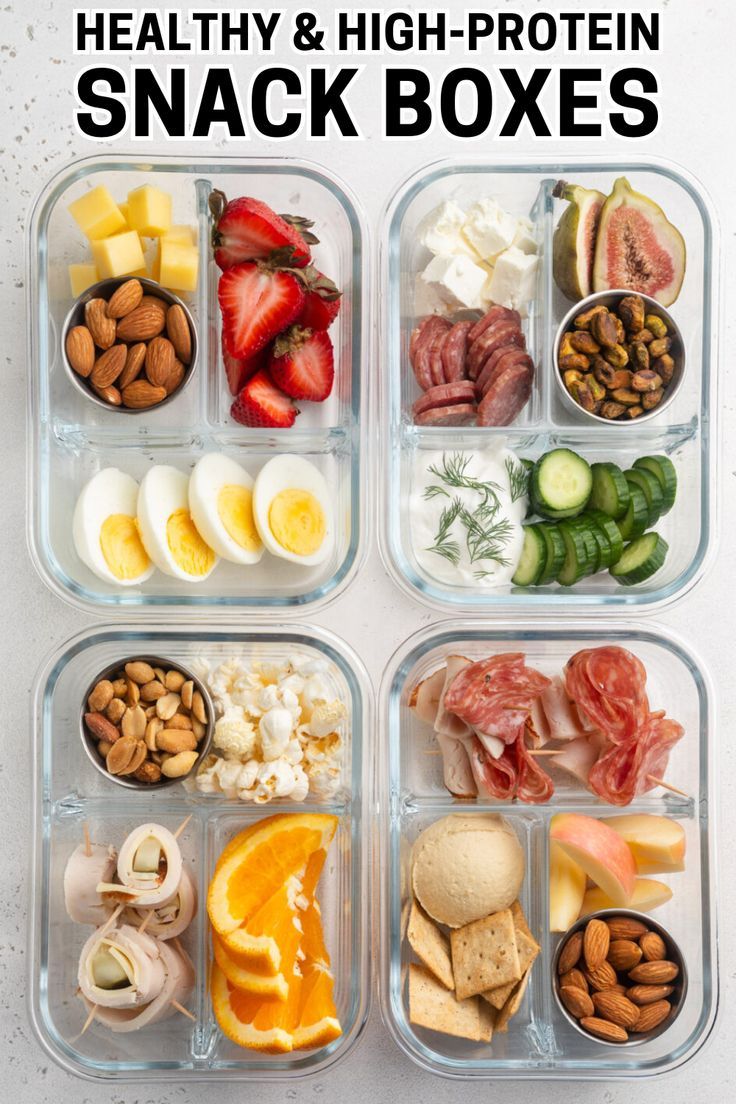
1. Greek Yogurt with Nuts and Berries

This power snack is a South African favorite for good reason. It’s packed with protein, calcium, and probiotics, while the nuts and berries add healthy fats and antioxidants.

How to make it:
Add a handful of fresh strawberries, blueberries, or raspberries to a cup of plain or vanilla Greek yogurt. Sprinkle with crushed almonds, walnuts, or pecans.

Why it works:
It’s rich, filling, and supports gut health. This combination delivers between 15–20g of protein per serving, keeping you fueled between meals.

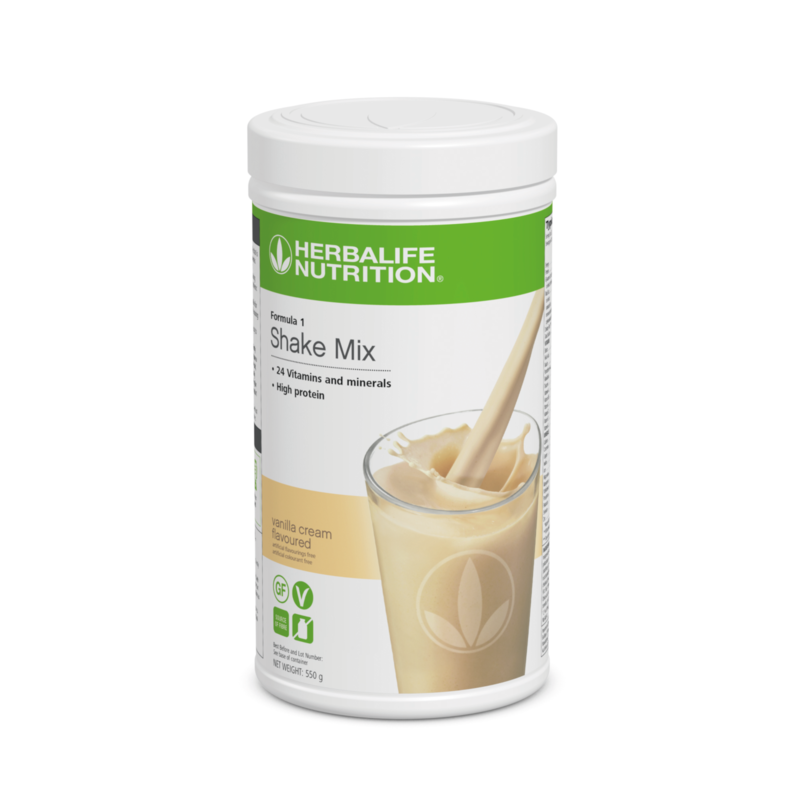
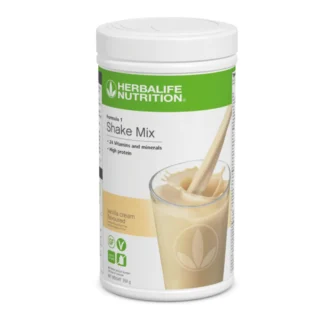
Pro tip: For an extra boost, mix in Herbalife Formula 1 Protein Shake Mix Vanilla instead of plain yogurt for a creamy, nutrient-dense alternative.


2. Boiled Egg and Avocado Toast

Quick, portable, and full of nutrients, this snack combines healthy fats from avocado with the muscle-building power of eggs.

How to make it:
Toast a slice of brown or whole-grain bread, mash half a ripe avocado, and top it with slices of a boiled egg. Add a pinch of salt, black pepper, or chili flakes.

As qiktruck.co.za suggests, using sourdough or brown bread makes it even healthier and helps you feel fuller for longer.

Why it works:
This snack provides a steady release of energy, omega-3 fatty acids, and essential vitamins—perfect for busy professionals on the move.


3. Protein Snack Bars

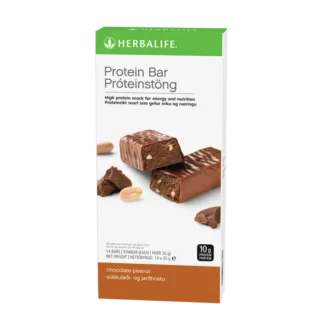
Convenience meets nutrition in protein bars, a good choice for anyone constantly on the go. Herbalife’s Formula 1 Express Bar comes in flavors like Chocolate and Red Berries & Yoghurt, offering around 10–20g of high-quality protein each, fortified with essential vitamins and minerals.

Why it works:
They’re portable, shelf-stable, and stave off sugar cravings while supporting muscle repair and recovery after workouts.

According to herbalife.com, swapping traditional candy bars for protein-based options curbs sweet cravings while maintaining nutritional balance.

Pro tip: Keep a few protein bars in your handbag, gym bag, or car for those mid-afternoon slumps.


4. Energy Ball Bites

If you like snacking on something sweet but don’t want the guilt, homemade or store-bought energy balls are your go-to.

How to make it:
Combine oats, nut butter, honey, and seeds like chia or flaxseeds. Roll into bite-sized balls, chill, and you’re done!

Why it works:
Energy bites are naturally sweet, plant-based, and full of protein and fiber. These are perfect before a workout or as a quick afternoon pick-me-up.

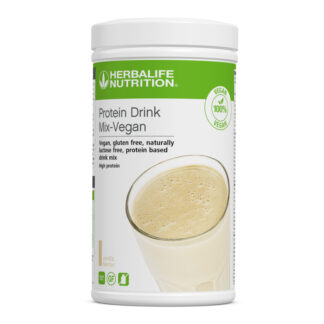
Pro tip: For extra flavor, mix in a scoop of Herbalife Protein Drink Mix in your favorite flavor for an added protein punch.


5. Edamame (Young Soybeans)

Edamame is one of the most underrated snacks in South Africa, but it’s gaining popularity for good reason. It’s high in plant-based protein, fiber, and several important vitamins and minerals.

How to prepare:
Boil or steam a handful of frozen edamame pods for 5 minutes, sprinkle with coarse salt or chili flakes, and enjoy warm.

Why it works:
It’s portable, satisfying, and easy to portion control. Great as a pre-meal snack to avoid overeating later.


6. Smoothie Bowls

Smoothie bowls are a quick way to enjoy fruit, vegetables, and protein all in one. They can easily double as a snack or light meal.

How to make it:
Blend frozen bananas, berries, spinach, and Herbalife Formula 1 Nutritional Shake Mix (try Chocolate or Cookies & Cream flavor). Pour into a bowl and top with granola, shredded coconut, and chia seeds.

Herbalife Shake
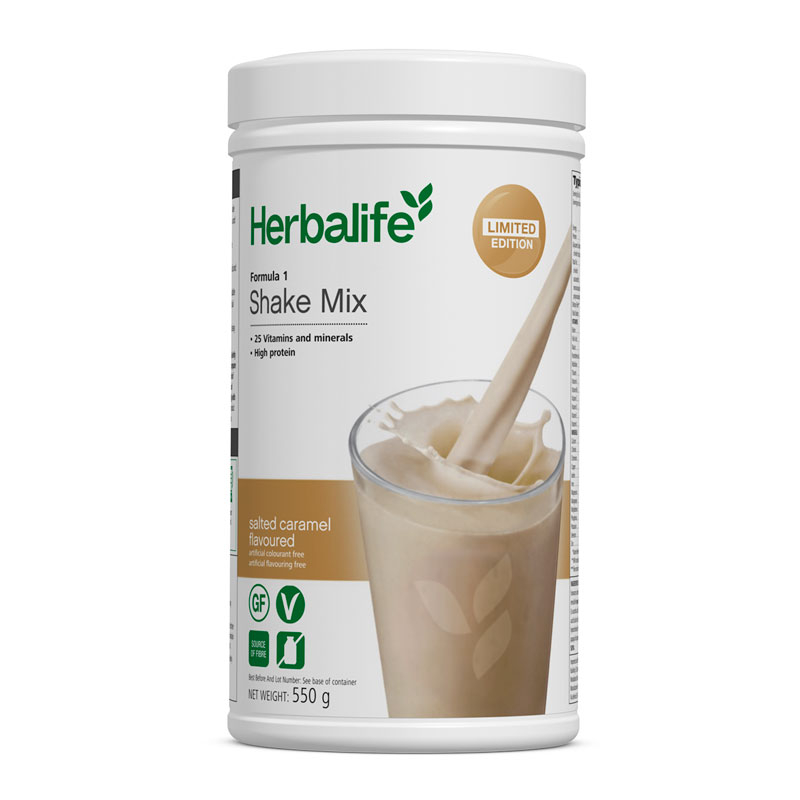
F1 Salted Caramel Shake Mix product image

Why it works:
They’re nutrient-rich and delicious while helping you meet your daily fruit intake. Smoothie bowls provide fiber and antioxidants without heavy calories.

Pro tip: To save time in the morning, portion frozen fruit and dry ingredients the night before.


7. Cottage Cheese with Pineapple

A lighter, high-protein snack ideal for hot South African afternoons. Cottage cheese provides slow-digesting protein (casein), keeping you full for hours.

How to make it:
Mix a cup of low-fat cottage cheese with fresh pineapple chunks or other tropical fruit.

Why it works:
It’s a refreshing, low-calorie snack packed with calcium, vitamins, and gut-friendly dairy protein—plus a taste of summer in every bite.


8. Dried Fruit and Nut Mix

Trail mixes are timeless favorites among South Africans who need quick fuel during long days.

How to make it:
Combine raw, unsalted nuts (almonds, cashews, pecans) with dried fruits like cranberries, apricots, and goji berries. Add a few dark chocolate chips for sweetness.

Why it works:
A handful provides healthy fats, protein, and antioxidants to sustain your energy levels. It’s a great midday snack for anyone working outdoors or behind a desk.

To keep it balanced, Herbalife’s herbalife.com recommend watching portion sizes—trail mix is calorie-dense, so stick to a small handful (around ¼ cup).


9. Herbalife Protein Shakes

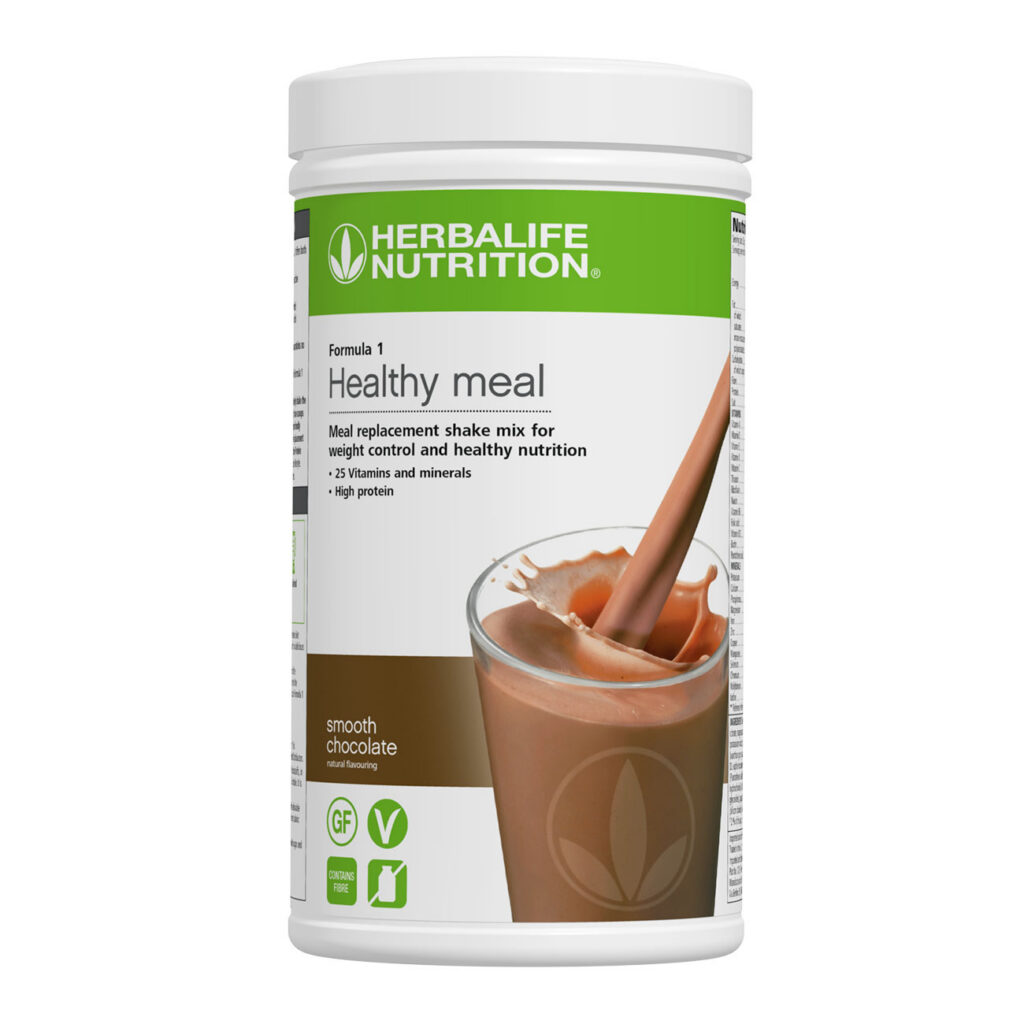
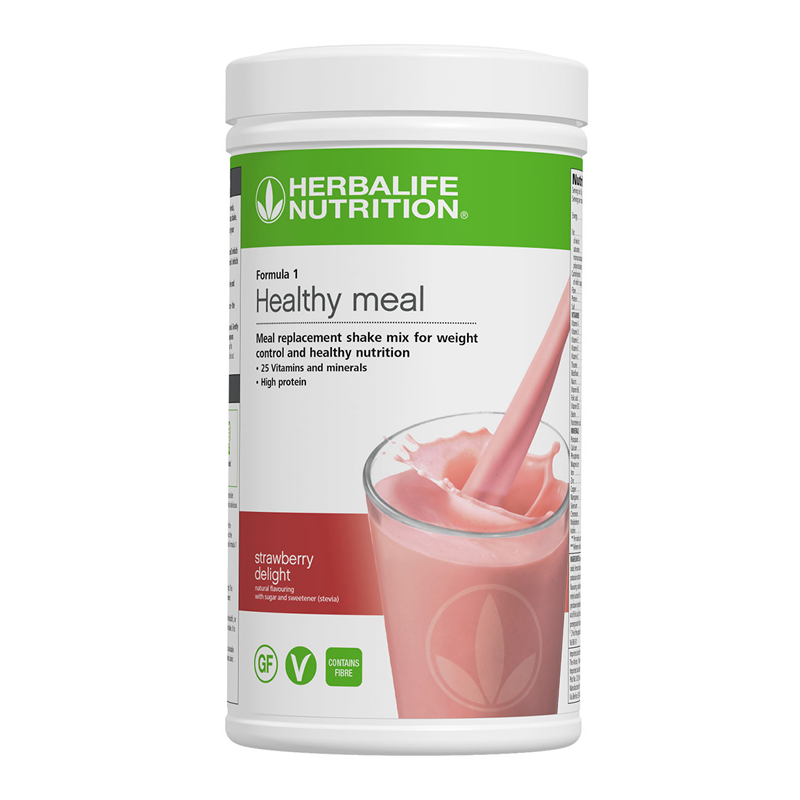
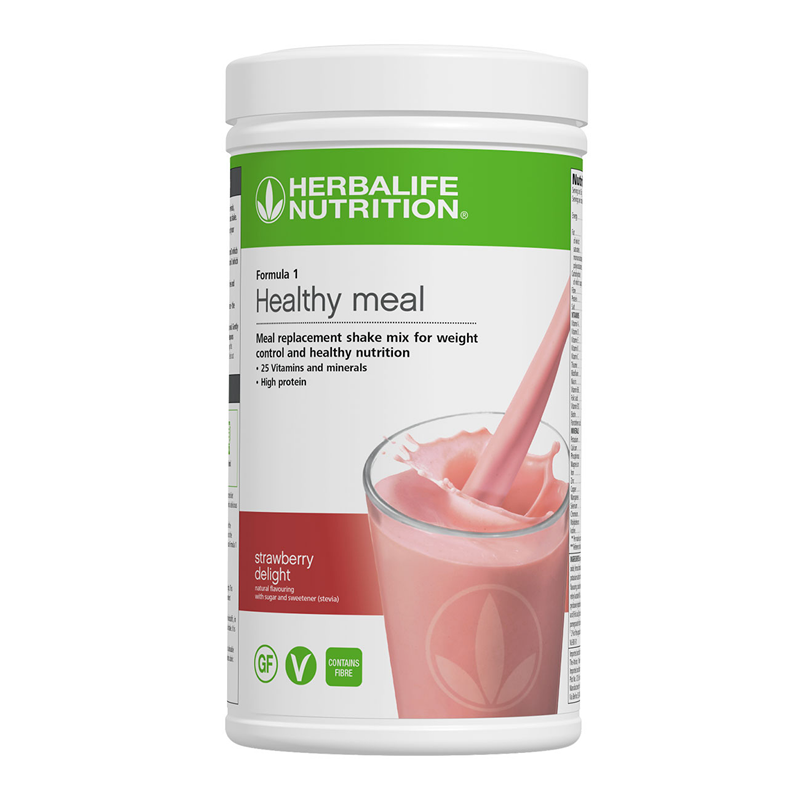
When you’re truly pressed for time, a shake is your best friend. Herbalife’s Formula 1 Nutritional Shake Mix blends high-quality soy protein, fiber, essential vitamins, and minerals for balanced nutrition on the go.

How to make it:
Blend two scoops of the shake mix with nonfat milk or water, a few cubes of ice, and half a banana or a few berries for extra taste.

Why it works:
It provides fast and convenient nutrition that can substitute for a meal or serve as a satisfying snack. Great for busy mornings, travel, or post-workout refueling.

Protein-based shakes help control hunger, maintain lean muscle, and satisfy cravings—especially for chocolate lovers craving a guilt-free fix.


10. Roasted Chickpeas or Pea Protein Snacks

Roasted chickpeas, also popularized in South Africa through products like Chunx and Orbs, are high in fiber, vegan-friendly, and incredibly crunchy.

How to make it:
Drain and rinse a can of chickpeas, toss with olive oil, salt, and paprika, then roast until crispy.

Why it works:
These chickpeas mimic traditional crunchy snacks while being gluten-free and nutrient-dense. 

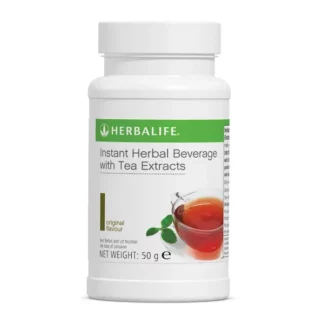
Pro tip: Pair your roasted chickpeas with a Herbalife herbal tea for a light, energizing combo during your midmorning break.


Putting It All Together

Healthy snacking is not just about staying slim—it’s about giving your body the nutrient boost it needs to keep performing. With the right balance of protein, fiber, and healthy fats, you can stay satisfied longer and avoid the energy crashes that come from sugary or processed foods.

Herbalife’s approach to wellness centers around convenience, balance, and quality—making it perfect for South Africans who juggle demanding lifestyles. Whether you’re prepping snacks at home, grabbing something between meetings, or refueling after a workout, options like protein bars, shakes, and whole food snacks make eating well achievable every day.


Final Thoughts

In a fast-paced world, healthy snacking shouldn’t feel like another “task.” With simple ingredients and a little preparation, you can maintain energy, support fitness goals, and still enjoy local flavors.

Next time you’re tempted by vending machine chips or sugary muffins, remember your better options: Greek yogurt with nuts, protein shakes, avocado toast, or energy balls. Mix convenience with nutrition, the Herbalife way, and transform how you fuel your day—one smart bite at a time.

Posted on

The Kilojoules in Herbalife Shakes

Herbalife Shake

In the hustle and bustle of South African life — whether you’re commuting through Johannesburg traffic, running errands in Cape Town, or juggling family responsibilities in Durban — health and nutrition often take a back seat. This is where meal replacement shakes like Herbalife step in. Marketed as quick, nutritious, and weight-loss friendly, Herbalife shakes have found a solid following across Mzansi.

But before you scoop, shake, and sip, it’s worth understanding what exactly you’re putting into your body. One important number often overlooked is the kilojoule content. In a country battling rising rates of obesity and lifestyle-related illnesses, knowing how many kilojoules are in your Herbalife shakes — and what that means — can help you make more informed health decisions.

Let’s break it down.


Understanding Kilojoules: A Quick Primer

In South Africa, we use kilojoules (kJ) instead of calories as the standard unit for measuring energy in food. It’s simple:

  • 1 kilocalorie (kcal) = 4.184 kilojoules (kJ)

So when you see “870kJ” on a label, that’s about 208 calories. Kilojoules tell us how much energy food provides. If we eat more kilojoules than our body burns, we gain weight. If we consume fewer, we lose weight.

Your average adult South African needs between 8,700kJ to 10,500kJ per day, depending on gender, age, activity level, and health status.


So, How Many Kilojoules Are in Herbalife Shakes?

Herbalife Shake

Let’s focus on the most popular product: Herbalife Formula 1 Nutritional Shake Mix.

According to Herbalife’s South African product info:

  • One serving (26g of powder) mixed with 250ml of fat-free milk contains approximately:
    • 870–900kJ
    • 17g of protein
    • 15g of carbs
    • 1.5g of fat

If you mix the powder with water instead of milk, the kilojoule content drops significantly — to around 410–450kJ — but so does the nutritional value.

Let’s compare:

Shake MixWith Fat-Free MilkWith Water
Kilojoules~900kJ~450kJ
Protein17g~9g
Taste/SatietyCreamier, more fillingThinner, less satisfying

What Do Those Kilojoules Mean in Real Life?

To put it in context:

  • 1 medium banana = ~400kJ
  • 1 slice of white bread = ~400kJ
  • 1 boiled egg = ~300kJ
  • 1 McDonald’s cheeseburger = ~1050kJ

So, a Herbalife shake made with fat-free milk gives you the energy equivalent of 2 bananas and an egg, or about 9-10% of your daily energy needs. For a single meal, that’s moderate — especially when compared to a fast food meal, which can easily exceed 3000kJ.


Can Herbalife Help With Weight Loss?

Yes — but only if you consume fewer kilojoules than you burn. Herbalife shakes can help by:

  • Controlling portion size
  • Reducing the temptation to snack
  • Providing a consistent energy intake

Many South Africans have found success by replacing one or two meals a day with Herbalife shakes and keeping their total daily intake under a certain kilojoule target.

But there’s a catch: if you drink the shake and eat your usual meals, you’re likely increasing your total energy intake — which could lead to weight gain.


Herbalife Shakes & Popular Weight Loss Plans

Let’s say you’re on a typical 6,000–7,000kJ/day weight loss plan.

  • One Herbalife shake (with milk) = ~900kJ
  • Two shakes + one balanced meal = ~3,000–4,000kJ
  • Add healthy snacks (fruit, yogurt, nuts) = Total ~6,000–6,500kJ

This model aligns with popular Herbalife programmes and leaves you feeling energised but still in a kilojoule deficit.

If you’re active — doing gym, walking in the township, or chasing after your kids — you may need slightly more. Always adjust based on your energy needs.


Are the Kilojoules Worth It?

Let’s look at the nutritional value per kilojoule — a good way to judge food quality.

Herbalife shakes offer:

  • High protein (helps with satiety and muscle maintenance)
  • Low fat
  • Enriched with 24+ vitamins and minerals
  • Low glycaemic index (helps keep blood sugar stable)

That’s solid nutrition for under 1000kJ — better than most cereal-and-toast breakfasts or takeaways. However, they lack fibre and chewability, which can leave some people feeling less full.


Hidden Kilojoules: What to Watch For

Some people unknowingly add more kilojoules by:

  • Using full cream milk (adds ~300kJ)
  • Adding fruits, peanut butter, or oats (~200–600kJ extra)
  • Drinking an extra shake “as a snack” (~900kJ)
  • Not accounting for teas, coffees, or juices

That’s why tracking total intake matters. Apps like MyFitnessPal or South African-friendly FatSecret can help you monitor your kilojoule budget easily.


Herbalife in a South African Context

South Africa faces a growing obesity crisis, particularly among women. According to Stats SA, nearly 70% of women and 31% of men are overweight or obese. Urbanisation, convenience eating, and economic pressures all play a role.

Herbalife offers a structured, easy-to-follow alternative. Many South Africans — from Soweto to Stellenbosch — appreciate its convenience, especially those without time or resources to prep every meal.

However, no shake can outshine a poor diet. Replacing meals with Herbalife is a tool — not a magic bullet. Combine it with:

  • Lean meats, veggies, and whole grains
  • Regular exercise
  • Drinking lots of water (and cutting sugar drinks)
  • Getting enough sleep

Is It Safe Long-Term?

For most healthy adults, yes. Herbalife shakes can be part of a long-term eating plan, especially when used to replace only 1–2 meals a day. They are registered with the SAHPRA and follow food safety standards.

That said, you should:

  • Avoid replacing all meals with shakes
  • Talk to a doctor if you have diabetes, kidney issues, or any medical condition
  • Be wary of Herbalife coaches who promote excessive supplementation — you don’t need a whole suitcase of pills to lose weight

Final Thoughts: Should You Shake It or Skip It?

Herbalife shakes are:

✅ Convenient
✅ Low in kilojoules
✅ Nutritionally balanced
✅ Useful for weight management

But they are not a replacement for good eating habits or an active lifestyle. In the context of kilojoules, they’re a smart choice — as long as you manage your total intake and don’t use them to justify high-kJ indulgences elsewhere.

So, next time you’re rushing out the door in Pretoria or grabbing breakfast before work in East London, reaching for a Herbalife shake could be a kilojoule-conscious choice — just make sure it’s part of a bigger, healthier plan.


Bonus: Tips for Getting the Most from Your Herbalife Shakes

  • Use fat-free or low-fat milk to keep kilojoules in check
  • Add 1–2 tsp of psyllium husk for fibre and fullness
  • Pair it with a glass of water and a piece of fruit if needed
  • Track your kilojoule intake for at least 7 days to stay on top
  • Be consistent — results come with daily habits, not quick fixes

Got questions about Herbalife or healthy eating in SA?

Drop them in the comments.

Posted on

Top 4 Guilt-Free Desserts with Herbalife

Herbalife Dessert guilt free

If you’ve got a sweet tooth but don’t want to compromise your health goals (as written in the National Library of Medicine), you’re not alone! South Africans are increasingly turning to nutritious alternatives that satisfy cravings without piling on sugar or unhealthy fats. Fortunately, Herbalife Nutrition offers versatile products that can be used to create Herbalife guilt-free desserts—packed with protein, low in sugar, and still indulgent enough to feel like a treat.

Whether you’re working toward a weight loss goal, boosting your protein intake, or just trying to eat cleaner, these four dessert recipes are designed to keep you on track without sacrificing flavour. Best of all, they make use of Herbalife products that are readily available across South Africa.


Why Choose Herbalife Guilt-Free Desserts?

Guilt-free desserts offer the best of both worlds: delicious taste and sound nutrition. These are made using wholesome ingredients and often include protein, fibre, and low-GI options, helping to balance your blood sugar and avoid energy crashes. Herbalife’s shakes and protein powders are ideal base ingredients, since they’re designed to support healthy living.

For the South African audience, these recipes also incorporate local ingredients and tastes where possible—like rooibos, banana, and granadilla.


1. Herbalife Protein Banana Ice Cream

A healthy twist on a South African classic

Forget sugar-laden frozen desserts—this nice cream is all-natural, protein-packed, and refreshing. It’s perfect for those warm Joburg or Durban days!

Ingredients:

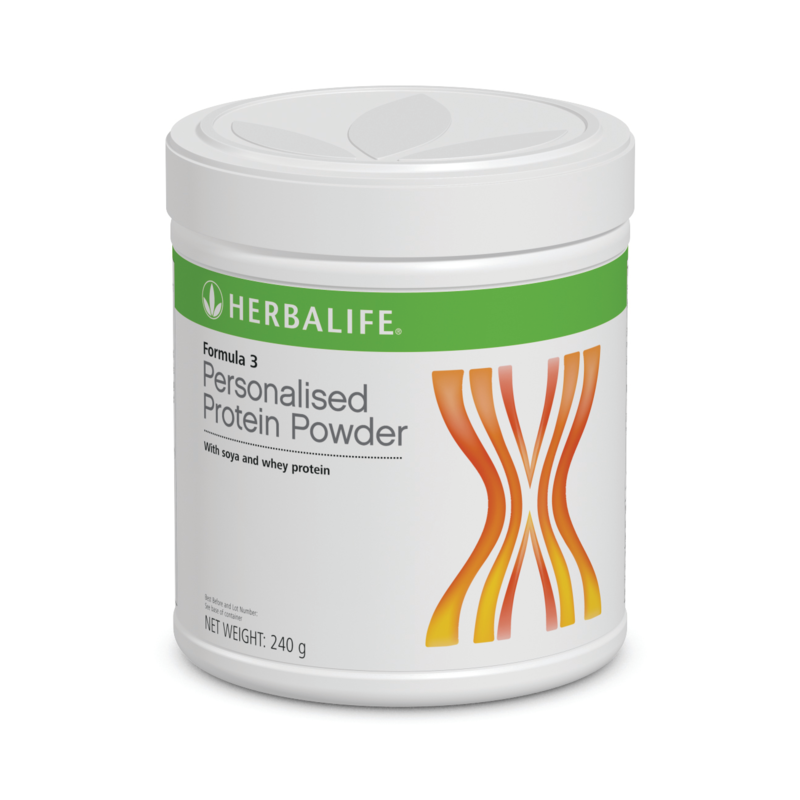
Herbalife Personalised Protein Powder

Method:

  1. Add the frozen banana slices, almond milk, and Herbalife powders into a high-speed blender.
  2. Blend until smooth and creamy, scraping down the sides as needed.
  3. Serve immediately for soft-serve consistency or freeze for 1-2 hours for a firmer texture.
  4. Top with healthy extras if desired.

Why it works:

Bananas offer potassium and natural sweetness, while Herbalife adds the protein your body needs to stay satiated. Cinnamon gives it that comforting flavour, reminiscent of banana bread—without the calories!


2. No-Bake Herbalife Rooibos & Honey Protein Balls

Inspired by SA’s favourite tea

Rooibos is a proudly South African staple, and it pairs beautifully with honey and nutty flavours. These no-bake protein balls are ideal as a post-workout snack or quick sweet bite.

Ingredients:

  • ½ cup oats (rolled or instant)
  • 2 scoops Herbalife Formula 1 Café Latte or Vanilla Shake Mix
  • 1 scoop Herbalife Personalised Protein Powder
  • ¼ cup natural peanut butter or almond butter
  • 1 tbsp raw honey
  • 2 tbsp strong brewed rooibos tea (cooled)
  • Pinch of salt
  • Optional: desiccated coconut for rolling

Method:

  1. Mix all ingredients in a bowl until well combined.
  2. Roll into bite-sized balls and place on a tray.
  3. Chill in the fridge for 30–60 minutes until firm.
  4. Store in an airtight container in the fridge for up to a week.

Why it works:

These bites deliver a perfect mix of complex carbs, healthy fats, and Herbalife’s plant-based proteins, with rooibos lending antioxidant benefits. Plus, there’s no added sugar—just a drizzle of local honey.


3. Granadilla & Vanilla Herbalife Chia Pudding

A fresh, tropical take on breakfast or dessert

Chia pudding has taken the health world by storm, and for good reason—it’s rich in omega-3s, fibre, and protein. In this South African spin, we use granadilla (passionfruit) for a vibrant citrus kick.

Ingredients:

  • 2 scoops Herbalife Formula 1 Vanilla Shake Mix
  • 1 cup unsweetened almond milk or fat-free milk
  • 3 tbsp chia seeds
  • 1 tsp vanilla essence
  • Pulp from 2–3 fresh granadillas
  • Optional: fresh mint for garnish

Method:

  1. In a bowl or mason jar, combine the Herbalife shake mix, milk, vanilla, and chia seeds.
  2. Stir thoroughly and let sit for 5 minutes. Stir again to break up any clumps.
  3. Refrigerate for at least 4 hours or overnight.
  4. Before serving, top with granadilla pulp and mint.

Why it works:

This chia pudding feels indulgent, but it’s low-GI and loaded with protein and fibre, helping you stay full longer. It’s also a visually stunning dessert—perfect for brunches or meal prep.


4. Chocolate Protein Mug Cake (2-Minute Microwave Treat)

For those unexpected sweet cravings

We all know the feeling—a craving hits, and you want something chocolatey now. Enter the Herbalife chocolate mug cake: rich, fluffy, and done in just two minutes!

Ingredients:

  • 2 scoops Herbalife Formula 1 Chocolate Shake Mix
  • 1 scoop Herbalife Personalised Protein Powder
  • 1 tbsp unsweetened cocoa powder
  • 1 egg (or 1 tbsp chia seeds + 3 tbsp water for vegan option)
  • 3 tbsp almond milk or low-fat milk
  • ½ tsp baking powder
  • Optional: sugar-free chocolate chips, chopped nuts

Method:

  1. Mix all ingredients in a microwave-safe mug until smooth.
  2. Microwave on high for 90 seconds to 2 minutes, depending on your microwave’s power.
  3. Let cool slightly and enjoy straight from the mug.

Why it works:

Traditional mug cakes can be packed with refined sugar and flour. This version swaps that out for Herbalife’s protein-rich mix, making it a smarter choice for any time of day.


A Few Herbalife Dessert Tips for South Africans:

  • Buy local where you can: Use local seasonal fruits like mango, guava, or prickly pear to enhance your Herbalife creations.
  • Balance is key: Just because it’s healthy doesn’t mean you can eat endless portions. Practice mindful indulgence.
  • Meal replacement? Maybe: Some of these desserts (like chia pudding or banana ice cream) can be modified into a full meal if you add more protein or healthy fats.
  • Stay hydrated: Especially when using high-fibre recipes, keep drinking water throughout the day—your body will thank you.

Final Thoughts: Wellness Can Be Delicious

Living a healthy lifestyle in South Africa doesn’t mean you have to say goodbye to sweet treats. With Herbalife’s range of versatile products, you can whip up delicious, guilt-free desserts that support your fitness and nutrition goals.

From creamy banana ice cream to protein-packed mug cakes, these recipes prove that you can have your cake and eat it too—without compromising your health. So go ahead, treat yourself the smart way.


Want More Recipes?

Get creative! Herbalife products can be used in smoothies, baked goods, and even savoury snacks. Ask your Herbalife distributor for local recipe booklets or follow Herbalife South Africa on social media for fresh ideas tailored to your region.


Disclaimer: These recipes are for general wellness and not intended to diagnose or treat any health conditions. Always consult a healthcare provider or nutritionist if you have specific dietary concerns.